

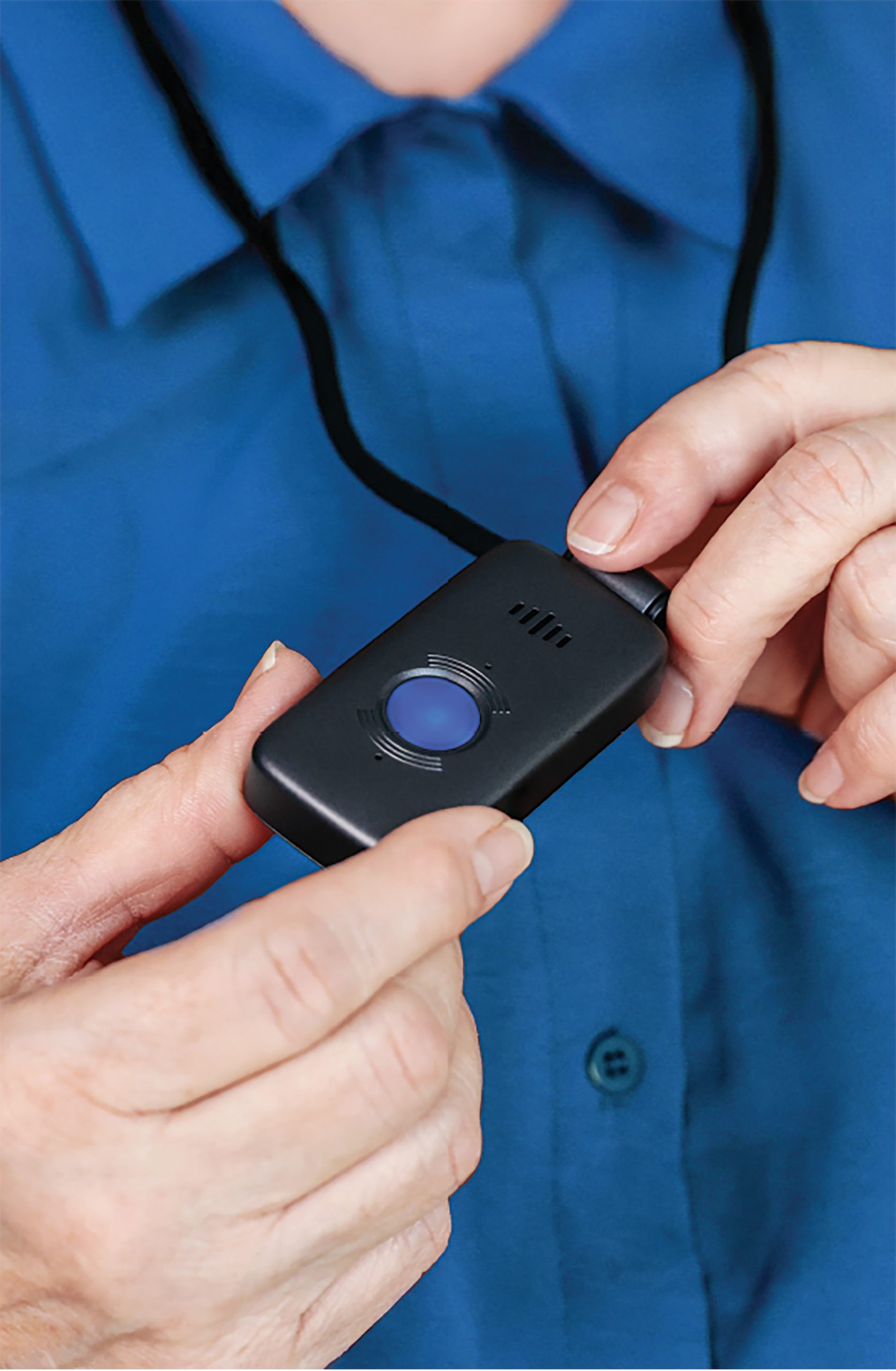
You’re at work, or maybe just running errands, when your phone buzzes. It’s your mom. She fell trying to get up from her chair but managed to reach the phone in time — this time. You let out a long breath and remind yourself to look into a medical alert device this weekend. Sound familiar? For millions of adult children caring for aging parents, that “what if she hadn’t been able to call?” thought never fully goes away. That’s exactly what fall detection for seniors is designed to address — the moments when a fall happens and help is needed before a person can even ask for it.
What Is Automatic Fall Detection?
Automatic fall detection is a technology built into some medical alert devices that can sense when a fall has occurred and trigger an alert — even if the person wearing the device is unable to press a button. This is a meaningful distinction. Many seniors who fall experience disorientation, unconsciousness, or injuries that prevent them from calling for help. A standard “push-button” alert system is only useful if the person can actually push the button.
With automatic fall detection, the device does the work. If a fall is detected, it can automatically connect to a 24/7 monitoring center so that trained operators can assess the situation and dispatch emergency services if needed.
How Does Fall Detection Technology Actually Work?
Modern fall detection devices use a combination of sensors — most commonly accelerometers and gyroscopes — to monitor movement and body position in real time. These sensors measure changes in speed, direction, and orientation. When the device detects a pattern consistent with a fall — a rapid downward acceleration followed by an abrupt stop, for example — it triggers an alert.
Some devices also factor in what happens after the potential fall. If the person remains still or horizontal for a period of time, that increases the likelihood that something is wrong, and the alert process begins.
What About False Alarms?
It’s a fair question. Sitting down quickly, dropping the device, or certain types of vigorous movement can occasionally trigger a false detection. Many devices address this with a brief grace period — a short window (often 30 to 60 seconds) during which the wearer can cancel the alert before it connects to the monitoring center. It’s a practical balance between sensitivity and accuracy, and it’s worth asking about when you’re comparing devices.
Why Fall Detection Matters — The Numbers Tell the Story
Falls are the leading cause of both fatal and nonfatal injuries among adults 65 and older, according to the Centers for Disease Control and Prevention. Every year, millions of older adults fall, and a significant portion of those falls go undetected for a dangerous length of time — sometimes hours.
The consequences of a prolonged time on the floor after a fall can be serious: dehydration, hypothermia, pressure injuries, and complications from the initial injury itself. Research consistently shows that how quickly a person receives help after a fall is one of the most important factors in their recovery outcome.
This is where fall detection for seniors moves from a nice-to-have feature to a potentially life-saving one — particularly for seniors who live alone, are active but have balance concerns, or have a history of falls.
Who Benefits Most from Fall Detection?
Not every senior has the same level of risk, and that’s worth acknowledging honestly. Fall detection may be especially valuable for:
- Seniors who live alone without daily in-person check-ins
- Those with a history of falls or balance-related conditions
- Individuals managing conditions like Parkinson’s disease, osteoporosis, or vertigo
- Seniors who are physically active and mobile, but whose independence means they spend time in higher-risk situations (stairs, outdoor walking, etc.)
- Anyone whose family caregiver lives at a distance and can’t be there quickly in an emergency
If your parent fits one or more of these descriptions, automatic fall detection is worth taking seriously as a core feature — not an optional add-on.
The Safety+ Ultra: Built for Real Life
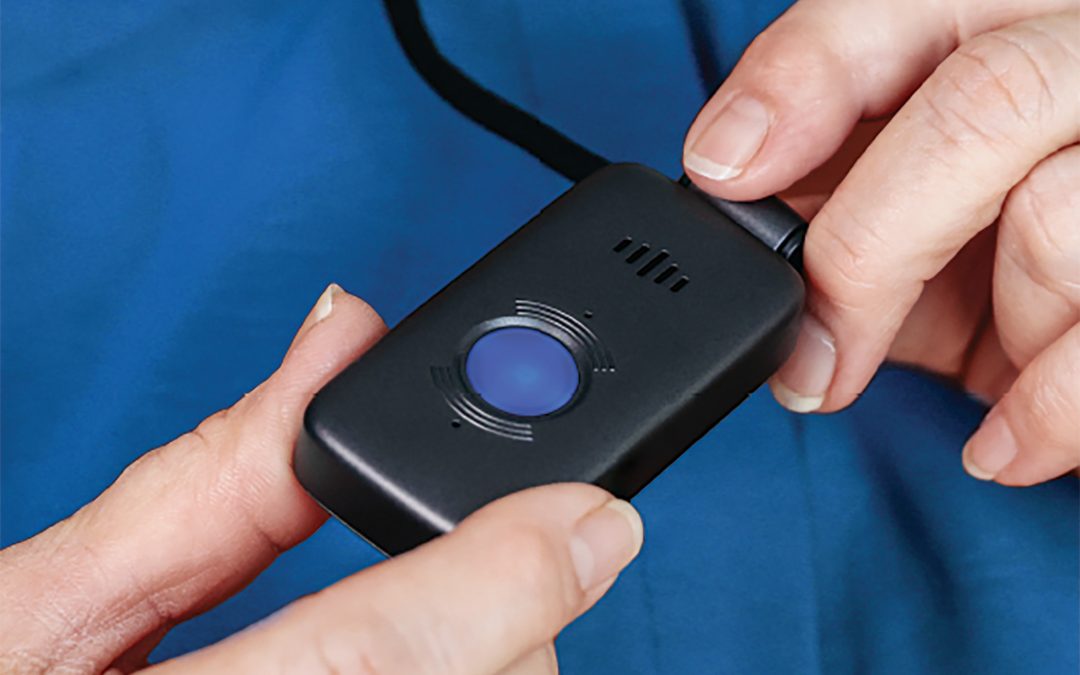
The Safety+ Ultra from My Connected Caregiver is a wearable medical alert device built with automatic fall detection at its core. It’s designed to be comfortable enough for everyday wear — because a device that sits in a drawer doesn’t help anyone — while still being reliable when it matters most.
The Safety+ Ultra connects to a professional 24/7 monitoring center. When a fall is detected, the process is immediate: the device alerts the monitoring team, who attempt voice contact through the device, assess what’s happening, and coordinate the appropriate response, whether that’s contacting a family member, a neighbor, or emergency services.
It’s also GPS-enabled, which means it works outside the home as well — on a walk, at the grocery store, or visiting a friend. For seniors who are still active and independent, that coverage matters.
What to Look for When Choosing a Fall Detection Device
If you’re researching options for your parent, here are the key questions to keep in mind:
- Is fall detection automatic? Confirm it doesn’t require the wearer to press a button for falls specifically.
- Does it include professional monitoring? An alert that only notifies a family member is better than nothing, but 24/7 professional monitoring means someone is always available, even at 3 a.m.
- Does it work outside the home? GPS capability extends protection beyond the front door.
- Is there a grace period to cancel false alarms? This reduces unnecessary dispatches and keeps the experience manageable for your parent.
- What are the contract terms? Look for month-to-month flexibility so you’re not locked in if your parent’s needs change.
My Connected Caregiver’s Safety+ plans start at $40 per month with the first month free and no long-term contracts — so you can start with confidence and adjust as needed.
If you’re ready to take the next step, See Safety+ plans and pricing to find the option that fits your family’s situation. Or if you’d like to learn more about the devices themselves, Explore Safety+ medical alert devices and see everything that’s included. Either way, you’re making a thoughtful choice — and that matters.